Damage to work in progress
Document damaged building components and materials, their condition, and the repair scope. Wind, fire, water, theft, and other events require careful review of the actual policy.
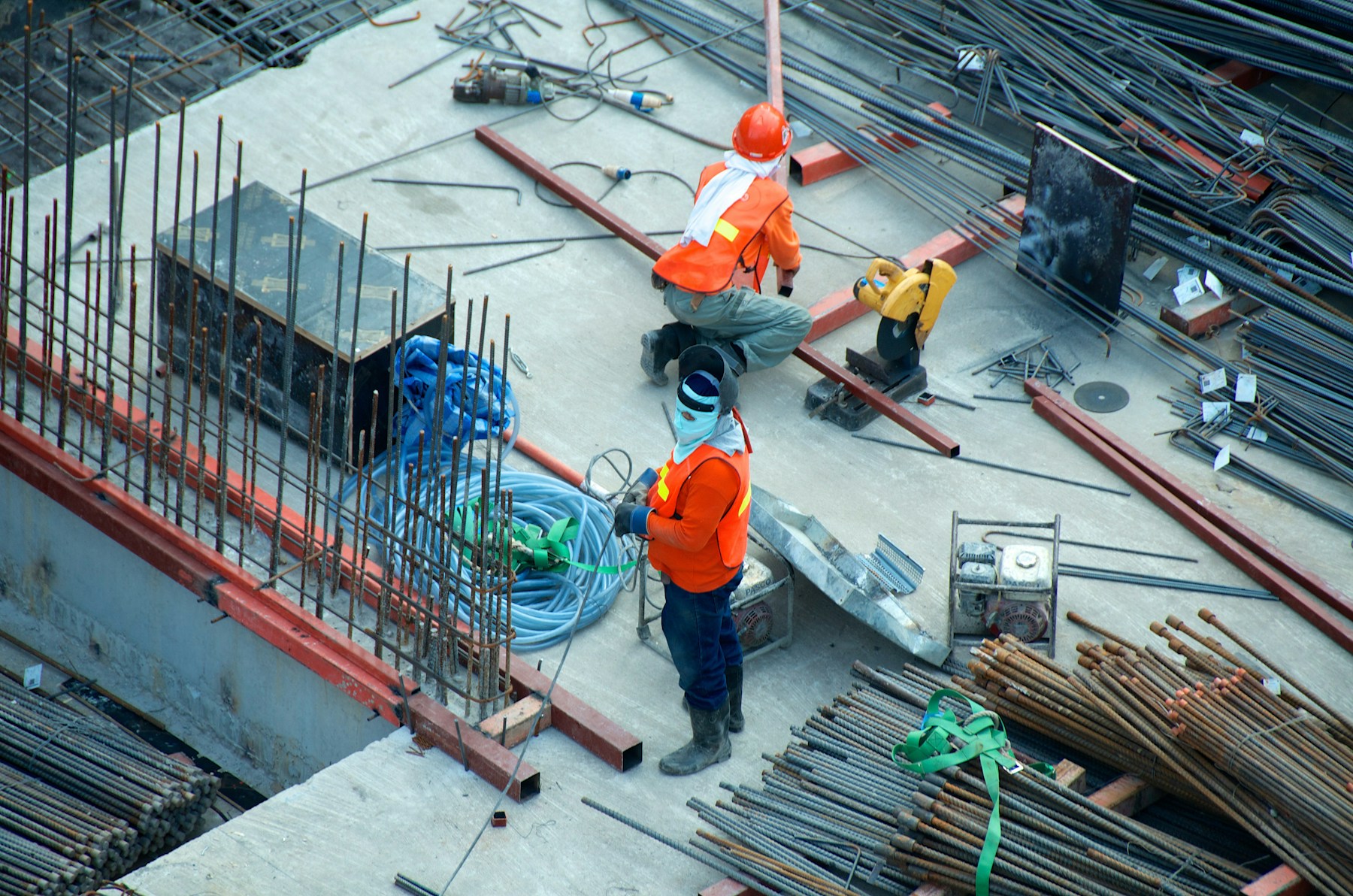
For the people building what comes next
Damage during construction can put more than materials at stake. Julio Ortega helps insured owners and contractors document the loss and present a carefully supported builders risk claim.
Julio C. Ortega · Active Claim Adjusters LLC
An introduction from Julio
Meet Julio Ortega and hear how he helps policyholders organize a construction loss, understand the issues, and present their claim.
Start a conversation ↗The claim, considered carefully
The structure, the materials, the schedule, and the policy tell different parts of the story. A strong claim brings them together without losing the details.
Document damaged building components and materials, their condition, and the repair scope. Wind, fire, water, theft, and other events require careful review of the actual policy.
Track what was on site, being stored, or in transit—and what was intended to become part of the project. Location, ownership, and the covered-property definition matter.
Organize repair bids, mitigation expenses, invoices, and project records. Delay, soft costs, and other time-related losses need specific coverage and supporting documentation.
Builders risk is not a guarantee for every construction loss. Flood, defective work, occupancy, testing, cessation of work, and delay can involve separate terms, exclusions, or endorsements.
A useful place to begin
Save the information that connects the damage to the work and its cost. Keep a clear timeline of the event, inspections, mitigation, and decisions.
Download the checklistThe complete policy, endorsements, named insureds, project address, and dates of construction.
Dated photographs, site reports, pre-loss progress photos, and relevant inspection or technical findings.
Contracts, schedules of values, drawings, material invoices, repair estimates, and change orders.
Construction schedules, daily logs, insurer letters, mitigation receipts, and records of any claimed delay.
How it works
From the first discussion to a supported claim presentation, the work stays tied to your project and your policy.
Discuss what happened, the insured interests, the policy period, and where the claim stands.
Bring the damage scope, cost support, and relevant project records into a clear presentation.
Communicate and negotiate the documented claim with the insurer under the agreed representation.
Your public adjuster
Representation for the policyholder.
A public adjuster works for the insured in the property insurance claim process. Julio helps organize the evidence, prepare and present the claim, and communicate with the insurer on your behalf.
For a construction loss, Julio’s role is to represent the insured in the claim—not to replace the contractor, engineer, or other qualified technical professional. The work begins by reviewing the project facts and whether representation is appropriate.
Questions, answered
Practical answers before the first conversation.
An insured owner, developer, contractor, or other party with an insured interest can discuss the loss with Julio. The declarations, endorsements, contract arrangements, and particular insured interest determine how the claim should be approached.
No. Time-related losses can require specific coverage, limits, waiting periods, and proof connecting the loss to a covered event. A delay by itself does not establish insurance coverage.
The cause of the damage, the policy wording, and any resulting damage need separate attention. Keep engineering findings, photographs, contracts, and repair estimates. A builder’s warranty and a property insurance claim are different matters.
Safety and mitigation come first. Coordinate inspections and documentation with the insurer and qualified project professionals before permanent repairs when practical. Preserve records of necessary emergency work and expenses.
Yes, you can discuss an offer, disputed scope, or denial. Julio will need the insurer’s explanation, policy, supporting records, and information about any deadlines or release already signed.
Julio explains the proposed scope and fee for your claim in a written agreement before representation begins. No particular payment or outcome is promised.
Start the conversation
Tell Julio what happened, which project was affected, and where the insurance claim stands.
Active Claim Adjusters LLC
Julio Cesar Ortega · Florida Public Adjuster
Start with a brief description. Please keep policy numbers, identification, and sensitive claim documents out of the first email. Arrange document sharing directly with Julio.